Home › Concrete Steps and Stoops
Improve curb appeal and safety with new concrete steps in Baton Rouge, LA. We build and replace concrete stoops and porch steps sized correctly for comfortable entry. Our team forms crisp risers and treads, adds texture for traction, and can integrate rail anchors where needed.
Baton Rouge Concreters provides professional concrete steps throughout Baton Rouge, LA, Louisiana and the surrounding area. Our licensed, insured crew delivers safe, clean, on-time work with a free estimate before anything begins. Call (225) 529-9098 or request your free quote.
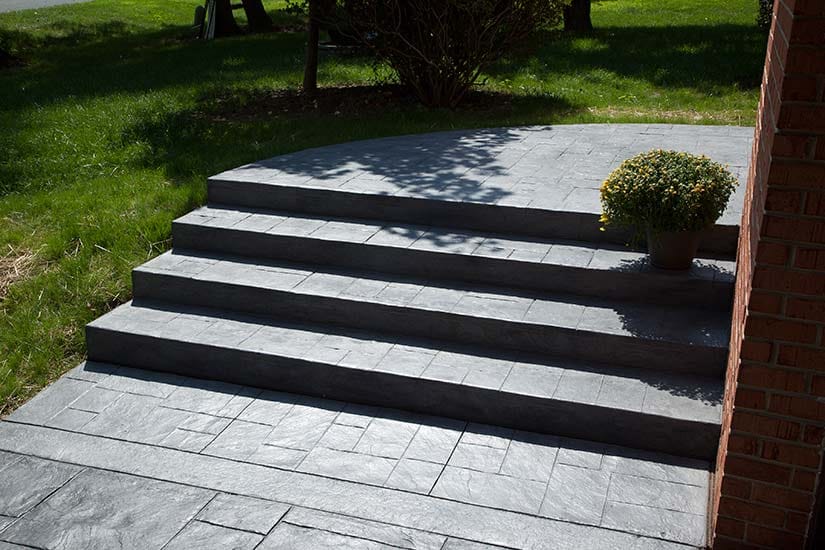
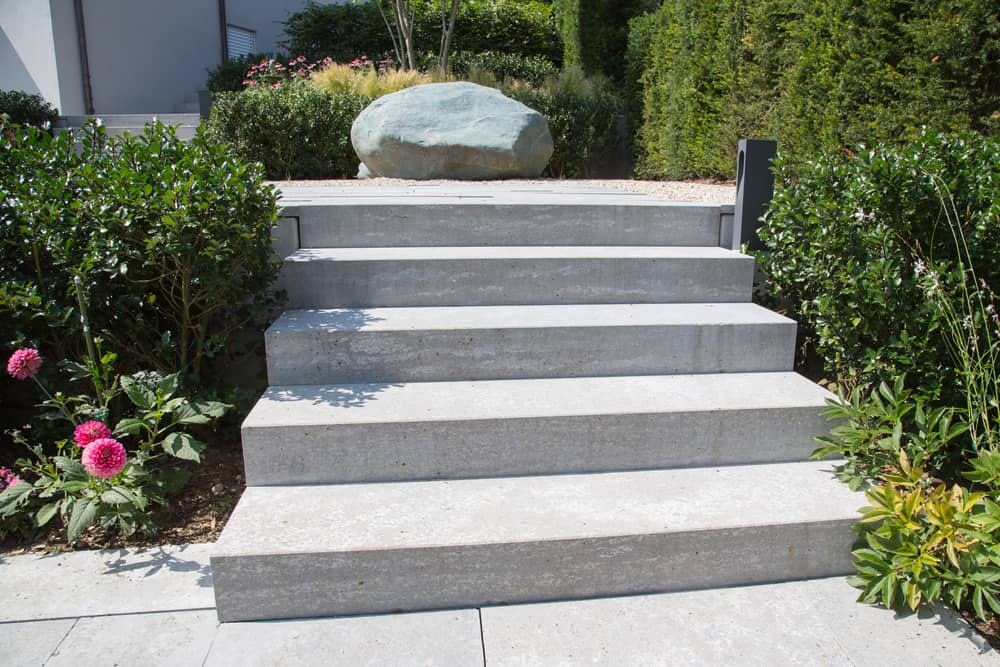
Concrete steps and stoops built for Baton Rouge homes and businesses
Concrete steps are not a decoration, they are a working part of your property that people use every day. At Baton Rouge Concreters, we design and build concrete steps and stoops that fit Louisiana homes, porches, and small commercial entries, then pour them correctly so they hold up in our heat, rain, and clay soils.
Whether you are replacing old crumbling steps on a 1950s brick house near Mid City, adding a small stoop to a mobile home outside town, or upgrading the entrance to a neighborhood office building, we look at how the steps will really be used. We check how high the existing porch or threshold is, how people approach the door, and where water currently runs and collects.
Our crew handles new concrete steps, extensions to existing stoops, full tear out and replacement of unsafe entries, and small accessibility upgrades like additional steps with wider treads. We stay focused on practical details: comfort when climbing, safe landings at doors, and surface finishes that are not slick when wet from a Gulf storm.
How we install concrete steps and stoops, step by step
A typical concrete steps project in Baton Rouge starts with layout and measurement. We measure the total rise from ground to door, the available run (how far the steps can extend), and any nearby features like brick skirting, railings, or landscaping. From there, we calculate riser height and tread depth so the steps feel even and comfortable. Most residential work falls between 6 and 7.5 inches per riser with 11 to 12 inch treads, but we adjust to match existing conditions and local code.
Once the design is set, we handle demolition if existing steps are present. We break and haul away the old concrete, being careful around brick veneer, siding, and porch posts. After that, we excavate and compact the subgrade. In many Baton Rouge yards the topsoil is soft, so we remove any organic material and use compacted crushed stone or sand, depending on drainage needs.
We then build forms for the steps and stoop platform using lumber or specialty step forms. This is where the final look is set. We pay close attention to level door thresholds, equal riser heights, and straight, square edges. For most stoops we install reinforcing steel, either rebar tied in a grid or wire mesh, and we often drill and pin rebar into adjacent slabs or foundations to help tie the new work to the structure.
Concrete is then placed, vibrated or rodded into corners, and troweled. For outdoor steps we avoid a glassy smooth finish. Instead, we usually apply a broom or textured finish to reduce slipping. We hand tool edges and control joints to help control cracking. Before we leave, we set up curing protection because our heat and sun can dry concrete too quickly. We typically keep new steps moist and shielded from direct sunlight for at least the first couple of days so they gain proper strength.
Design and finish options for concrete steps and stoops
Even simple concrete steps have several options that affect cost, appearance, and long term function. At Baton Rouge Concreters, we go over these choices on site with you instead of handing you a generic template.
Shape and layout come first. Some properties work best with straight, box style steps that come straight off the door. Others need a wider stoop with corner steps or side steps to line up with a driveway or sidewalk. On tight lots in neighborhoods like Old South Baton Rouge, we often recommend a deeper top landing so multiple people can stand at the door without backing down a step.
For finishes, standard broom finish is the most common and budget friendly, and it performs well in wet weather. If you want something upgraded, we can add an exposed aggregate finish for more grip and a decorative look, or use stamped concrete on the stoop landing and a broom finish for the treads so shoes get better traction. We can also offer light texture skins that give the look of stone without deep grooves that catch dirt.
Color options include integral color mixed into the concrete or post applied stains. We typically keep step colors on the subtle side, like light grays or tans, so the entry looks clean but does not show every bit of dust from our clay soils. Edge treatments can be simple squared edges, slightly rounded, or with a small bullnose for comfort and chip resistance. For homes with brick fronts we often align the step edges with brick courses so the entry looks like it was built with the house, not added later.
Local Baton Rouge conditions that affect concrete steps
Concrete steps in Baton Rouge face specific issues that not every national contractor considers. Our clay based soils can expand and contract when they get saturated then dry, which can cause movement and cracking if steps are not supported correctly. That is why we pay attention to base preparation and sometimes recommend a thicker footing or a wider base for freestanding stoops.
Rainfall and drainage are another factor. Many older homes here have low thresholds and flat yards. When we design steps, we make sure that the treads pitch slightly away from the house and that the stoop has a plan for water, either draining to a sidewalk or into a small graded swale. If your existing steps pool water at the door, we can adjust elevation, add a small trench drain, or slightly regrade the surrounding concrete.
Heat and humidity also affect curing. Pouring concrete steps in the middle of a hot afternoon in July is not ideal. We often schedule pours earlier in the day and may use curing compounds, water curing, or coverings so the surface does not crack from fast moisture loss. We also account for mildew growth on shady, damp steps by choosing rougher finishes where needed and suggesting occasional cleaning to keep the surface safe.
Finally, many Baton Rouge houses are raised or have pier and beam construction with wood thresholds and brick skirts. Tying concrete tightly against flexible structures can create stress points. We look at how the house moves and leave proper separation joints where needed so the steps and the house can move independently without tearing each other apart.
Costs, common problems, and what affects pricing
Concrete steps pricing in Baton Rouge is driven mainly by size, height, access, and finish details. A small, straightforward three step stoop with a basic broom finish right off a driveway will cost less than tall steps up to a raised porch with decorative finishes and integrated rail posts.
Labor and access are big factors. If our crew can back a truck close to the work area, costs stay lower. If we have to wheelbarrow concrete through a narrow side yard or around a pool, that adds time. Demolition and disposal of old steps is another cost element. Some older entries are thicker than expected or tied into brickwork, so careful removal takes more effort than simply breaking and hauling.
Reinforcement and footing needs matter too. Steps that must bridge soft or disturbed soil, or that sit near big tree roots, usually need stronger reinforcement so that one corner does not sink and crack. Decorative options like coloring, stamping, or exposed aggregate add material and labor costs. Railings are usually priced separately, but we plan ahead by embedding sleeves or plates in the concrete where your railing installer can fasten safely.
Common problems we see on existing Baton Rouge concrete steps include settled corners, cracked risers, flaking surfaces from incorrect finishing in humid weather, and steps that are all different heights from old patch work. During an estimate we explain whether repair is realistic or whether replacement is smarter. In many cases, especially where riser heights are uneven or the stoop holds water at the door, full replacement is safer and often more cost effective in the long run.
What to expect when you hire Baton Rouge Concreters
Working with Baton Rouge Concreters on concrete steps and stoops is straightforward. We start with an on site visit, listen to how you use the entry, and take careful measurements of the door, existing porch or slab, and surrounding grade. We discuss design, finishes, and any code or safety concerns such as step height consistency and minimum landing sizes.
You receive a written estimate that spells out what is included: demolition if needed, base prep, reinforcement, concrete mix, finish type, and cleanup. Once scheduled, our crew arrives, sets up protection around siding, brick, and landscaping, then handles removal, forming, and pouring. We keep the site orderly, which matters on tight lots and busy commercial entries.
After the pour, we handle curing and give you clear instructions on when you can walk on the steps and when heavy use is safe, usually within a couple of days for foot traffic and up to a week for anything heavier on adjacent slabs. We also go over simple maintenance for Baton Rouge conditions, such as keeping leaves and mud off the treads, avoiding harsh deicers, and watching for drainage changes after heavy storms.
If you are in Baton Rouge or nearby and your concrete steps are cracked, uneven, or simply not built for how your family or customers really use them, we can help you replace them with a solid, straightforward solution that fits your property and budget.